

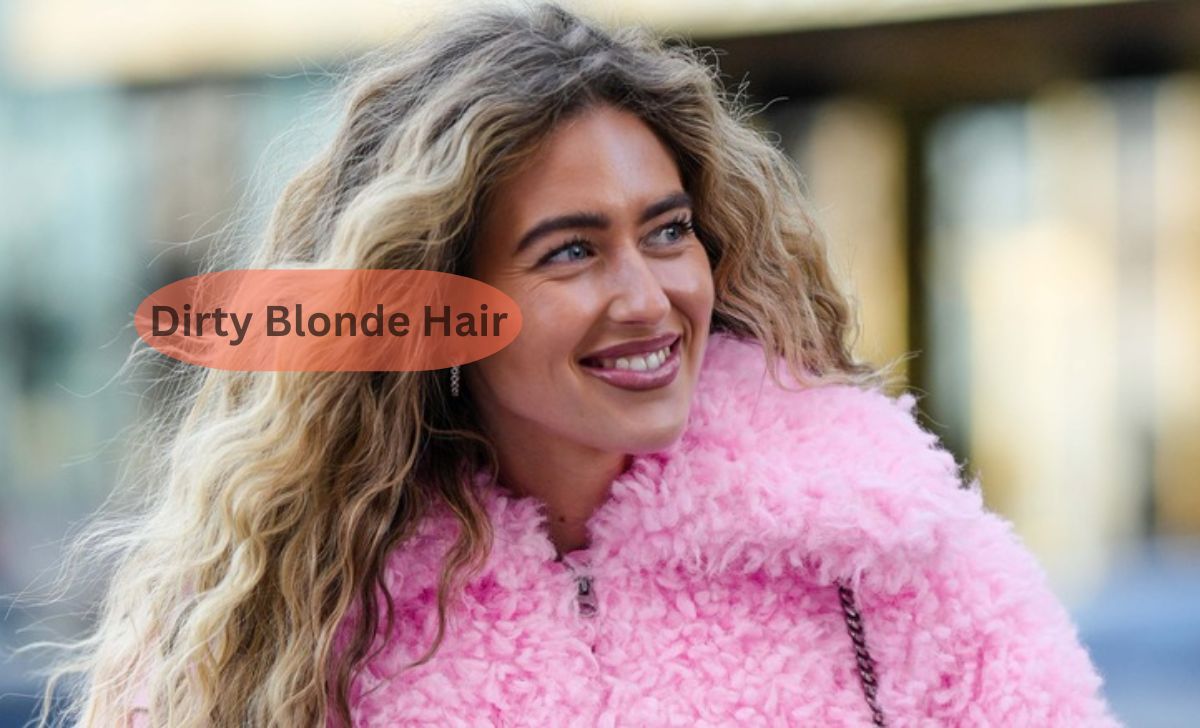
Dirty blonde hair is one of the most admired and versatile hair colors in the beauty world. It sits perfectly between blonde and light brown, creating a natural, lived-in look that suits many skin tones.
This shade has gained massive popularity because it looks effortless, stylish, and low-maintenance compared to brighter blondes. Whether natural or dyed, dirty blonde hair offers depth, dimension, and softness that never goes out of fashion.
Dirty blonde hair is a timeless blend of blonde and brown tones. Explore shades, care tips, styling ideas, and why this low-maintenance color stays popular.
What Is Dirty Blonde Hair?
Understanding the Dirty Blonde Shade
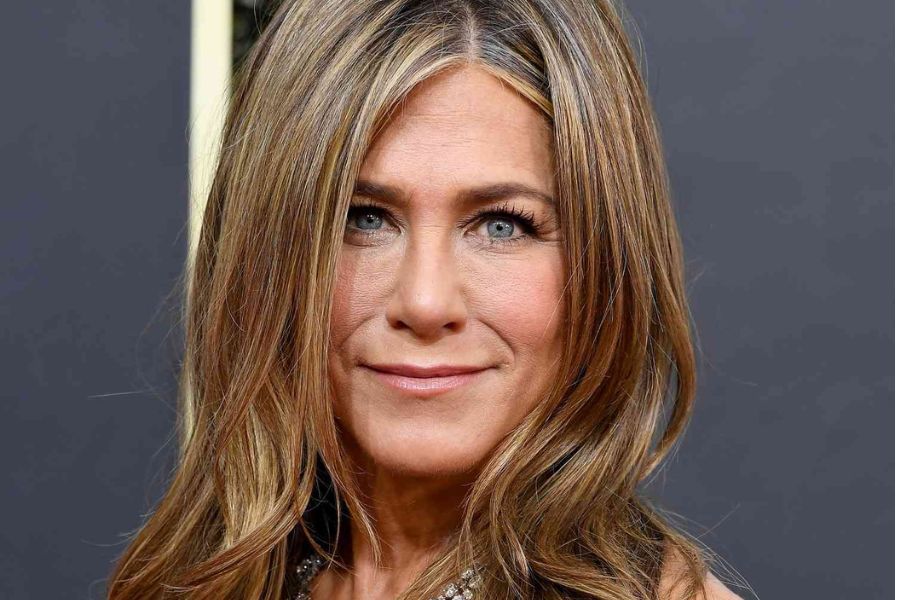
Dirty blonde hair is a mix of blonde and light brown tones with natural depth. Unlike platinum or golden blonde, it includes ash, beige, or neutral undertones that give it a muted appearance. This balance creates a realistic and sophisticated color. It often looks sun-kissed rather than overly processed. Because of its blended tones, dirty blonde hair appears fuller and healthier.
Dirty Blonde vs Other Blonde Shades
Dirty blonde hair differs from light blonde because it has darker roots and multidimensional tones. Platinum blonde is bright and high-maintenance, while dirty blonde feels softer and more natural. Compared to honey or golden blonde, dirty blonde leans cooler or neutral. This makes it ideal for people who want blonde hair without excessive upkeep. It’s also more forgiving as hair grows out.
Why Dirty Blonde Hair Is So Popular
Naturally Effortless Appearance
Dirty blonde hair looks natural even when professionally colored. The blend of tones mimics how hair naturally lightens in the sun. This effortless look appeals to people who prefer low-maintenance beauty. It doesn’t look harsh or overly styled. That natural finish makes it suitable for everyday wear and formal looks alike.
Low-Maintenance Hair Color Choice
One major reason for its popularity is minimal upkeep. Roots blend easily into the base color, so regrowth isn’t obvious. Unlike platinum blonde, frequent toning is not required. This makes dirty blonde hair budget-friendly over time. Busy lifestyles benefit greatly from this easy-care shade.
Different Types of Dirty Blonde Hair
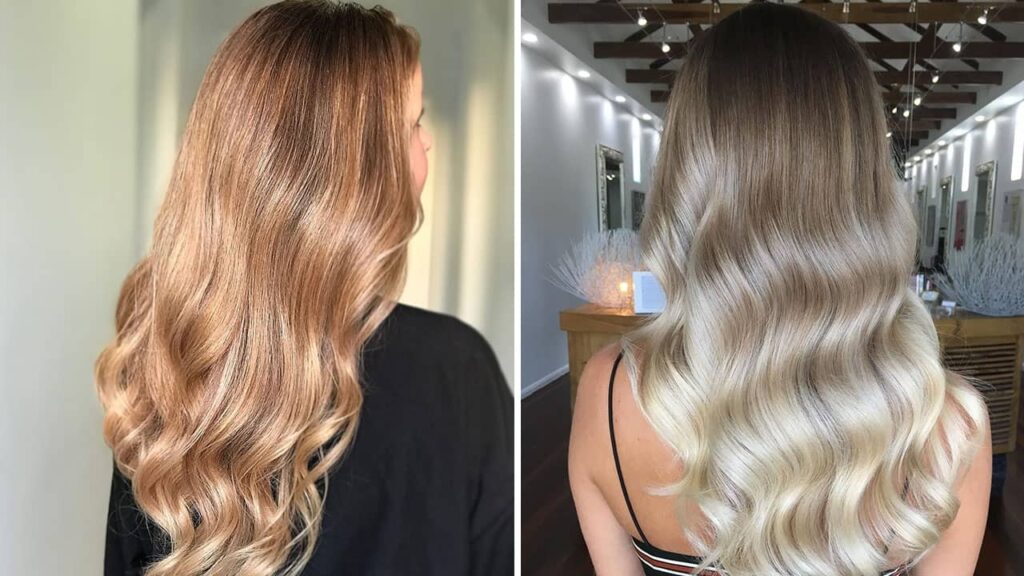
- Classic Dirty Blonde: This shade blends soft blonde with light brown undertones, creating a natural, balanced look. It appears effortless, subtle, and suits people who prefer understated elegance.
- Ash Dirty Blonde: Ash dirty blonde has cool, grayish undertones that reduce warmth. It’s ideal for those wanting a modern, muted finish and works especially well on fair to cool skin tones.
- Warm Dirty Blonde: This variation features golden or honey undertones, giving the hair a sun-kissed glow. It adds warmth to the complexion and looks vibrant in natural light.
- Dark Dirty Blonde: Dark dirty blonde leans more toward light brown while keeping blonde highlights. It offers extra depth and is perfect for low-maintenance color transitions from brunette shades.
- Dirty Blonde with Highlights: Adding soft highlights enhances dimension and texture. This style makes the hair look fuller and brighter without losing the natural dirty blonde base.
- Balayage Dirty Blonde: Balayage dirty blonde uses hand-painted highlights for a seamless blend. It creates a natural gradient effect and grows out beautifully with minimal upkeep.
Who Should Choose Dirty Blonde Hair?
Best Skin Tones for Dirty Blonde
Dirty blonde hair suits a wide range of skin tones. Fair, medium, and even olive skin can carry this shade well. Cool versions flatter pink undertones, while warm versions enhance golden skin. Because it’s balanced, it rarely clashes with natural complexion. This flexibility makes it universally appealing.
Ideal Hair Types and Textures
Dirty blonde hair looks great on straight, wavy, and curly textures. The dimension helps waves and curls appear more defined. Fine hair benefits from the depth, making it look thicker. Thick hair gains softness and movement. This shade enhances natural texture rather than overpowering it.
How to Get Dirty Blonde Hair
Achieving Dirty Blonde Hair Naturally
Some people are born with natural dirty blonde hair. Sun exposure during childhood often enhances this shade. Gentle lightening treatments can boost natural tones. Using purple or blue shampoos helps maintain balance. Natural dirty blonde looks healthiest when properly cared for.
Dyeing Your Hair Dirty Blonde
Professionally dyeing dirty blonde hair ensures the best results. Stylists mix blonde and brown tones for a custom shade. Highlights, lowlights, or balayage are often used. This technique creates depth and realism. At-home dyeing is possible but requires careful tone selection.
Dirty Blonde Hair Maintenance Tips
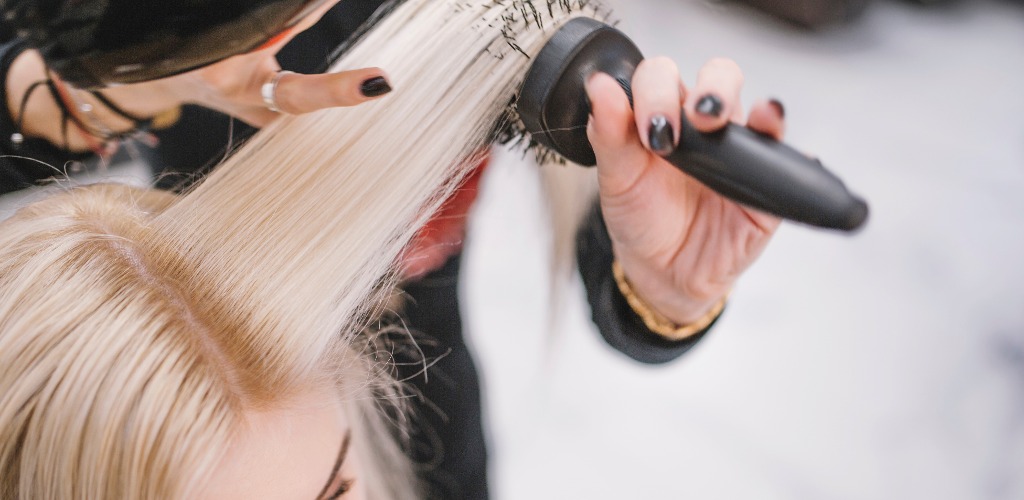
- Use Sulfate-Free, Color-Safe Products
Choose gentle shampoos and conditioners to protect dirty blonde tones and prevent dryness or color fading. - Avoid Frequent Washing
Washing hair two to three times a week helps maintain natural oils and keeps dirty blonde hair shiny and healthy. - Tone to Prevent Brassiness
Use a purple or blue shampoo once weekly to balance warm tones and keep the color looking fresh. - Protect from Heat and Sun Damage
Always apply heat protectant before styling and cover hair in strong sunlight to preserve color depth. - Deep Condition Regularly
Weekly conditioning masks restore moisture, enhance shine, and maintain the softness of dirty blonde hair.
Popular Dirty Blonde Hairstyles
Dirty Blonde Balayage
Balayage is one of the most popular dirty blonde techniques. It creates soft, hand-painted highlights. The result looks natural and sun-lit. This style grows out beautifully without harsh lines. It’s perfect for effortless, modern looks.
Dirty Blonde with Highlights
Adding highlights enhances the dimension of dirty blonde hair. Lighter blonde pieces brighten the face. Subtle contrast adds depth and movement. Highlights can be customized for warm or cool tones. This option suits all hair lengths.
Dirty Blonde Hair for Different Seasons
Summer Dirty Blonde Looks
In summer, dirty blonde hair looks lighter and brighter. Sun-kissed highlights enhance its glow. Beach waves complement the color perfectly. Warm undertones become more visible. This makes it ideal for a fresh seasonal update.
Winter Dirty Blonde Styling
In winter, dirty blonde hair appears richer and deeper. Cooler tones work best in colder months. Sleek styles enhance its elegance. Gloss treatments add shine during dry weather. It remains stylish year-round.
Common Mistakes to Avoid

- Overusing Purple Shampoo: Using toning shampoo too often can make dirty blonde hair look dull or slightly gray instead of natural.
- Washing Hair Too Frequently: Daily washing strips natural oils, causing dryness and faster color fading in dirty blonde hair.
- Skipping Heat Protection: Styling without a heat protectant can damage hair and weaken the color over time.
- Ignoring Deep Conditioning: Lack of moisture leads to frizz and lifeless strands, reducing the beauty of dirty blonde tones.
- Excessive Sun and Chlorine Exposure: Too much sun or pool water can cause brassiness and uneven color if hair is not protected.
The Future of Dirty Blonde Hair
Dirty blonde hair continues to dominate beauty trends due to its versatility and natural appeal. Stylists are creating more customized versions using advanced coloring techniques. As low-maintenance beauty gains popularity, this shade remains in demand. Its ability to suit different skin tones ensures lasting relevance. Dirty blonde hair is here to stay.
FAQ
1. What makes dirty blonde hair different from regular blonde?
Dirty blonde hair is a natural blend of blonde and light brown tones, creating a deeper, more dimensional shade compared to brighter or lighter blonde colors.
2. Is dirty blonde hair natural or can it be dyed?
Dirty blonde hair can be natural, but it is also commonly achieved through professional coloring techniques like balayage, highlights, or toning treatments.
3. Does dirty blonde hair require a lot of maintenance?
Dirty blonde hair is relatively low maintenance, but regular conditioning, toning, and limited washing help keep the color fresh and healthy.
4. Can dirty blonde hair suit all skin tones?
Yes, dirty blonde hair is versatile and can be adjusted with warm or cool undertones to complement fair, medium, and olive skin tones.
5. How often should dirty blonde hair be toned?
Toning dirty blonde hair every four to six weeks helps control brassiness and maintain balanced, natural-looking color.
Conclusion
Dirty blonde hair is a versatile and flattering shade that suits many skin tones. With proper care, maintenance, and the right styling techniques, it can stay vibrant and healthy. Avoid common mistakes, follow expert tips, and embrace the various tones of dirty blonde for a natural, effortless look that enhances your overall style and confidence.
Related Post