

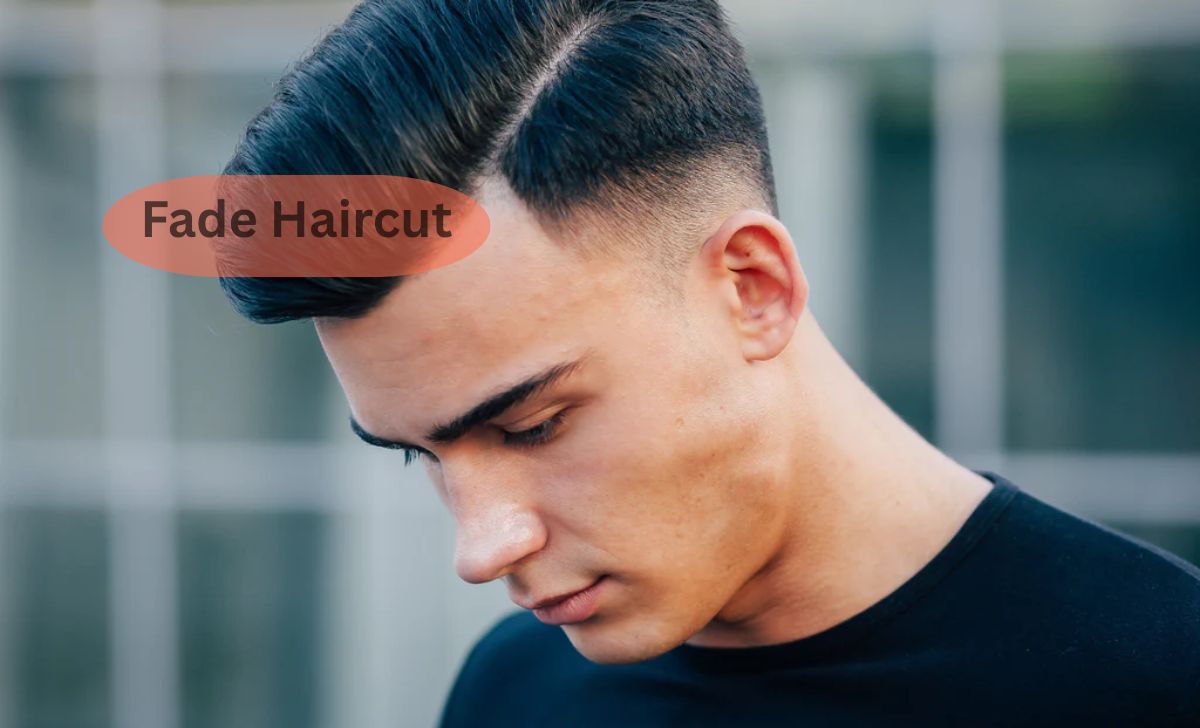
The fade haircut is one of the most popular and versatile hairstyles today, loved by men and women alike. Known for its smooth transition from short to longer hair, it offers a clean, modern, and stylish appearance.
Fades can be customized with different lengths, textures, and designs to suit any personality or face shape. This article explores fade haircut styles, techniques, maintenance tips, and trends, helping you achieve a sharp, confident, and fashionable look.
Fade haircut is a versatile, stylish hairstyle. Explore top styles, expert techniques, and maintenance tips to achieve a sharp, modern look effortlessly.
What is a Fade Haircut?
Definition and Key Features
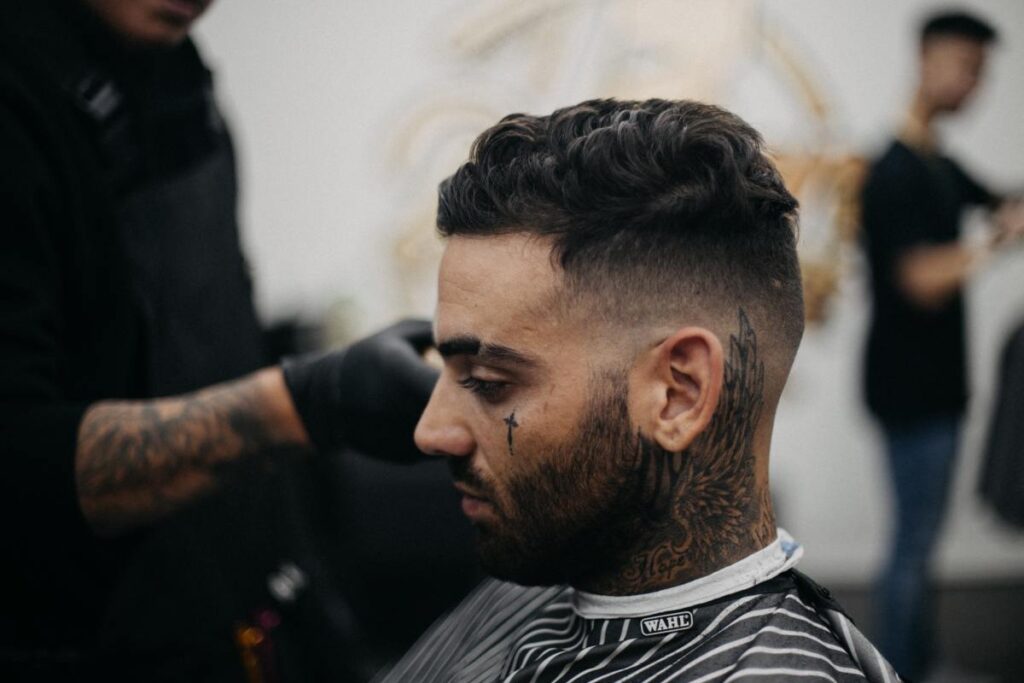
A fade haircut gradually shortens the hair from the top down to the sides and back. The smooth transition creates a seamless look that can range from subtle to dramatic. Its versatility makes it ideal for casual, professional, and creative styles alike.
Different Fade Lengths Explained
Fades vary in length and intensity. Low fades start near the ear, mid fades hit the temple area, and high fades begin closer to the crown. Each length offers a different visual impact, allowing customization to suit personal style and facial features.
How It Differs from Other Haircuts
Unlike traditional cuts, fades focus on blending rather than uniform length. The key lies in smooth gradients, tapering, and precise lines. This differentiates from standard trims or layered hairstyles, giving a modern, fresh, and well-groomed appearance.
Popular Fade Haircut Styles
Low Fade
The low fade starts just above the ears, offering a subtle and clean appearance. Perfect for formal settings or understated looks, it complements longer top styles and works well with straight or wavy hair.
Mid Fade
The mid fade balances between subtle and bold, starting around the temples. It provides versatility, allowing the top hair to be styled in various ways, including comb-overs, quiffs, and textured crops.
High Fade
High fades begin near the upper forehead, creating a sharp contrast between the top and sides. This bold style is popular among athletes and fashion-forward individuals seeking a dramatic, edgy look.
Skin Fade
Also known as a bald fade, the skin fade gradually tapers hair down to the scalp. It produces a striking, clean finish and works best with shorter top styles or textured designs, emphasizing facial features.
Taper Fade
A taper fade keeps the hair longer near the crown while gradually shortening towards the neckline and ears. This style is ideal for professional settings and those seeking a more subtle yet refined fade.
How to Choose the Right Fade for Your Face Shape
Round Face Considerations
For round faces, high or mid fades can add height and structure, creating a more elongated appearance. Avoid low fades that may emphasize roundness, and pair with angular or textured top hairstyles for balance.
Square Face Recommendations
Square faces benefit from low to mid fades, which soften strong jawlines. Layered or textured tops complement the fade, balancing facial angles and adding modern flair without appearing too harsh.
Oval and Heart-Shaped Faces
Oval and heart-shaped faces suit almost all fade styles. Experimenting with high, mid, or low fades can highlight facial symmetry, while longer top hair adds versatility and creativity to the overall look.
Matching Fade with Hair Texture
Curly, wavy, and straight hair each work differently with fades. Curly hair creates natural volume, straight hair enhances clean lines, and wavy hair adds texture. Choosing the right fade style requires considering both facial shape and hair texture.
Fade Haircut Techniques
Clippers vs. Scissors
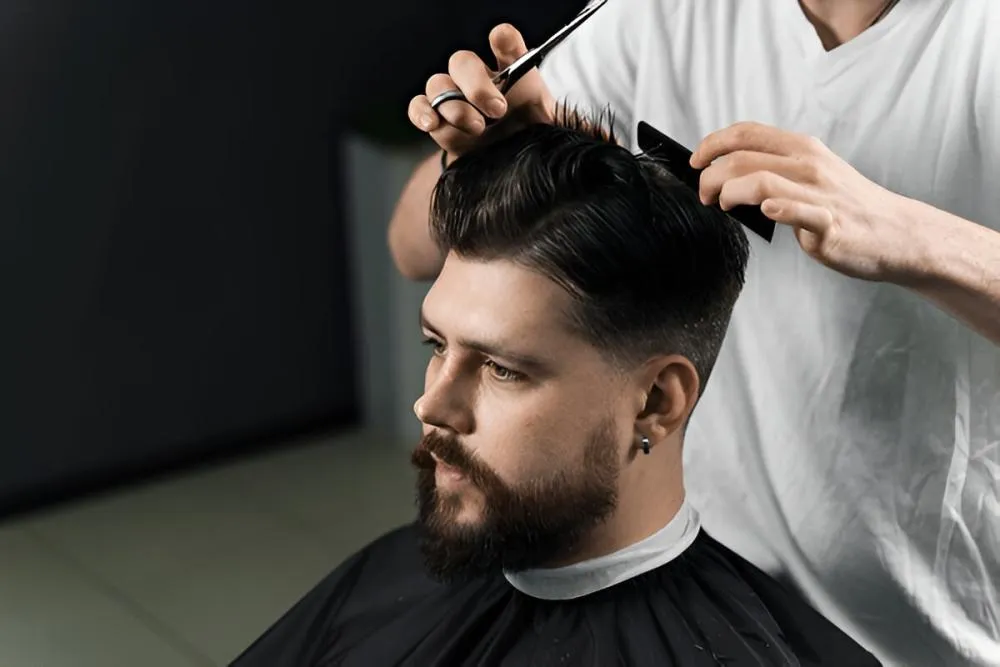
Barbers use clippers for precision blending and fade transitions, while scissors are employed for texturing and refining the top. Combining both techniques ensures a seamless fade with a polished, professional finish.
Blending and Tapering Tips
Blending is key to a smooth fade. Skilled barbers gradually reduce hair length while avoiding harsh lines. Tapering the edges around ears and neckline ensures a natural, flowing look that enhances overall style.
Popular Barber Techniques
Techniques like the “fade up,” “fade down,” and “skin taper” allow barbers to create customized fades. Detailing with trimmers and razor lines enhances the style, making fades adaptable for formal, casual, or trendy appearances.
Maintenance and Styling Tips
Daily Hair Care for Fades
Maintaining a fade requires regular washing, conditioning, and occasional brushing. Using lightweight styling products keeps hair in place without compromising texture or volume. Daily care ensures the fade remains sharp and healthy.
Recommended Products
Pomades, waxes, and styling gels work well for textured or slicked-back tops. Hair sprays add hold without stiffness. Choosing quality products ensures the fade looks fresh and polished throughout the day.
How Often to Get a Trim
Fades grow out quickly, usually requiring a trim every 2–4 weeks. Frequent barber visits maintain sharp lines and prevent the fade from looking overgrown or uneven, keeping the style modern and professional.
Styling for Different Occasions
Fades can be adapted for formal events with combed-back styles or casual settings with messy, textured looks. Adding parting lines or designs allows personal expression, making fades versatile for any occasion.
Fade Haircut Trends
Modern Twist on Classic Fades
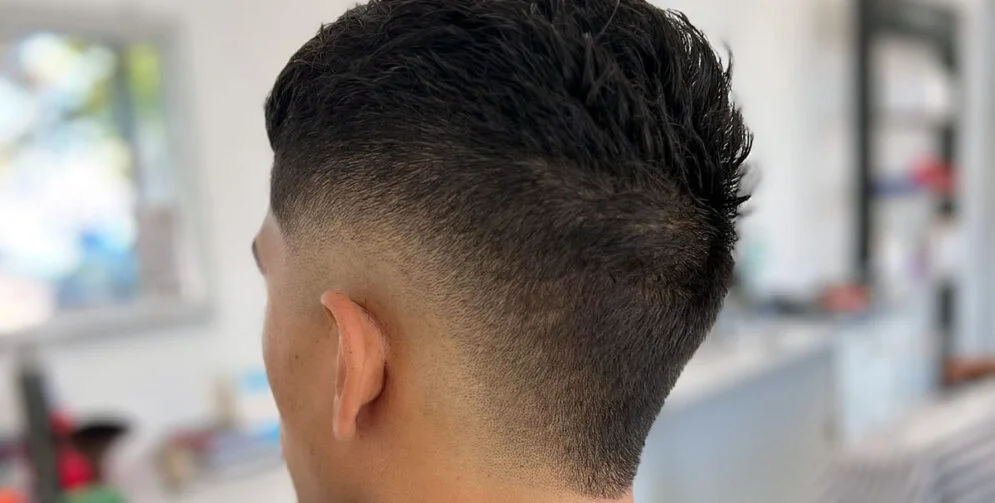
Contemporary fades often incorporate textured tops, asymmetrical lines, and blended colors. Modern variations balance tradition with creativity, appealing to trend-conscious individuals seeking a fresh and stylish look.
Celebrity-Inspired Fade Styles
Celebrities like David Beckham, Zayn Malik, and Jaden Smith popularize high fades, skin fades, and designs. Their styles influence barbers and trendsetters worldwide, making fade haircuts a go-to choice for fashion-forward looks.
Fade with Color and Highlights
Adding subtle highlights, bleached tips, or bold colors elevates a fade haircut. Combining texture with color creates visual interest, enhancing modern appeal while emphasizing the sharpness of the fade transition.
FAQ
1.What is a fade haircut?
A fade haircut is a hairstyle where hair gradually shortens from the top to the sides and back, creating a smooth transition.
2.How long does a fade last?
Fades typically last 2–4 weeks before needing a trim to maintain sharp lines and clean transitions.
3.Can women get a fade haircut?
Yes! Fade haircuts are versatile for women, especially with undercuts, pixie styles, and modern edgy cuts.
4.How do I maintain a fade at home?
Regular washing, using light styling products, and trimming edges between barber visits help maintain a fresh fade at home.
5.What face shape suits a fade haircut best?
Fades suit all face shapes, but high fades work well for round faces, mid fades for square faces, and low fades for subtle, professional looks.
Conclusion
Fade haircuts remain a timeless, versatile hairstyle suitable for all genders and ages. Whether subtle or bold, low or skin fades, they offer endless styling options and adaptability. Maintaining a fade with proper care ensures it stays sharp and fashionable, making it a top choice for anyone seeking a modern, confident look.