

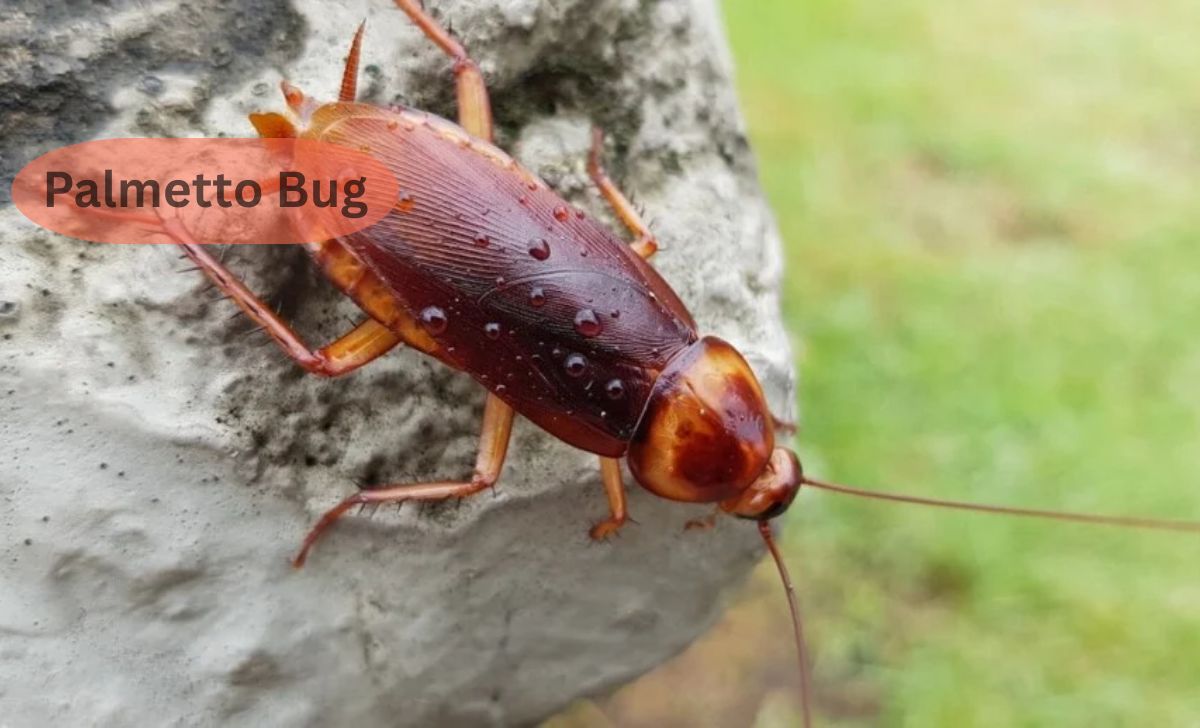
The palmetto bug is one of the most notorious household pests, often startling homeowners with its large size and quick movements. Commonly found in warm and humid regions, these insects are frequently mistaken for typical cockroaches, but they possess unique characteristics and behaviors that set them apart.
Understanding the palmetto bug is essential for protecting your home, preventing infestations, and minimizing potential health risks. This guide explores everything from identification and habits to prevention, control methods, and expert strategies for long-term management. Whether you encounter a single bug or a growing infestation, knowledge is your first defense.
Palmetto bug control tips to protect your home prevent infestations and eliminate pests effectively with expert strategies and prevention methods.
What Are Palmetto Bugs?
Identifying Palmetto Bugs
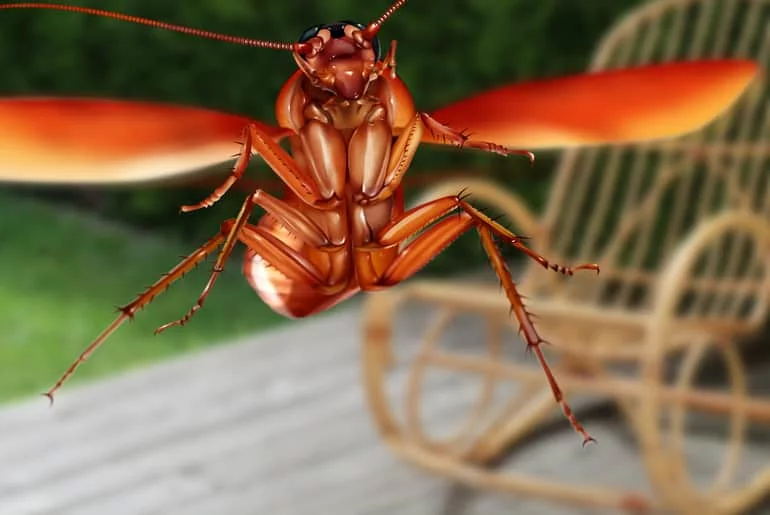
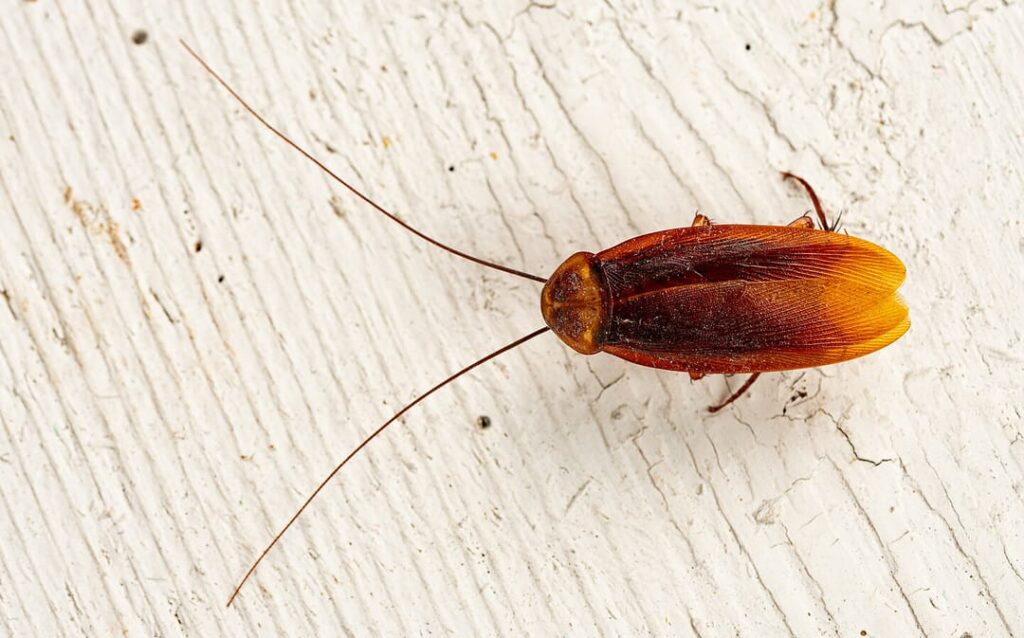
Palmetto bugs, also called American cockroaches or waterbugs, are among the largest species of cockroaches found in residential and commercial areas. These insects typically reach lengths of up to two inches and display a reddish-brown glossy body with long antennae and spiny legs.
Their wings allow for short glides, but they mostly rely on crawling to move quickly across surfaces. They are not confined to palmetto trees as their name might suggest; instead, they thrive in areas where moisture and food are abundant.
Physical Features and Behavior
The palmetto bug’s body is flattened, allowing it to squeeze into narrow cracks and hidden spaces. Its antennae serve as sensitive sensors, helping it navigate and detect threats. They are nocturnal, meaning they are most active at night, foraging for food and water while avoiding human activity. Recognizing these physical traits is crucial for early detection and effective control.
Behavior and Habits of Palmetto Bugs
Nocturnal Nature and Activity
Palmetto bugs are primarily active during the night, making it easier for them to avoid humans. They seek out dark, damp areas like basements, bathrooms, kitchens, and drains. These bugs are highly adaptive, often venturing indoors when outdoor conditions become
unfavorable, such as during heavy rain or temperature extremes. Homeowners are more likely to spot them near light sources, as they are attracted to illumination during nocturnal activities.
Preferred Habitats and Survival Tactics
These pests thrive in warm and humid environments and are often found around plumbing, under mulch or leaves, in firewood piles, or behind appliances. Their flattened body allows them to hide in tight spaces, making detection difficult.
Palmetto bugs are scavengers, feeding on almost any organic material, including food scraps, paper, and decaying matter. Their adaptability contributes to their persistence and makes home prevention a challenge.
Health Risks and Dangers
Contamination and Disease Potential
While palmetto bugs are not inherently dangerous to humans, they carry bacteria, pathogens, and allergens on their bodies. They can contaminate food, utensils, and kitchen surfaces, posing potential health risks.
People with asthma or allergies may experience reactions when exposed to palmetto bug droppings, shed skins, or saliva. Maintaining proper sanitation and controlling infestations is essential to reduce these health hazards.
Property Damage Risks
Palmetto bugs can cause property damage in severe infestations. They chew on cardboard, paper, and packaging materials, leaving unsightly marks. In some cases, they may damage insulation or wiring if left unchecked. While they do not pose a structural threat like termites, their presence can become a nuisance and lead to costly cleaning and repairs.
Preventing Palmetto Bugs in Your Home
Indoor Prevention Strategies
Preventing palmetto bugs starts with addressing potential entry points. Sealing cracks, gaps, and crevices around doors, windows, and walls helps block access. Fixing plumbing leaks, removing standing water, and keeping kitchens clean and free of crumbs can reduce their attraction. Regularly vacuuming and wiping surfaces minimizes available food sources and creates a less hospitable environment.
Outdoor and Yard Precautions
Outside, homeowners should maintain clean yards by removing mulch, leaves, and debris near home foundations. Firewood should be stored off the ground and away from walls.
Trimming bushes and keeping vegetation away from structures helps eliminate hiding spots. A well-maintained outdoor environment discourages palmetto bugs from approaching and attempting to enter the home.
How to Eliminate Palmetto Bugs
DIY and Natural Remedies
For small infestations, several natural remedies can be effective. Boric acid applied in corners, behind appliances, and in hidden spaces can reduce populations over time. Diatomaceous earth is another safe option that kills insects without harming humans or pets.
Sticky traps are useful for monitoring activity and catching individual bugs. Essential oils such as peppermint, tea tree, and eucalyptus can repel palmetto bugs when applied strategically.
Professional Pest Control Options
In cases of severe infestations, professional pest control services are the most effective solution. Experts use residual sprays, baits, and comprehensive monitoring to eliminate palmetto bugs and prevent future infestations.
Professionals can also identify the source of entry, assess risk areas, and provide customized plans for long-term protection, ensuring your home remains palmetto bug-free.
Common Misconceptions About Palmetto Bugs
Separating Myths from Facts
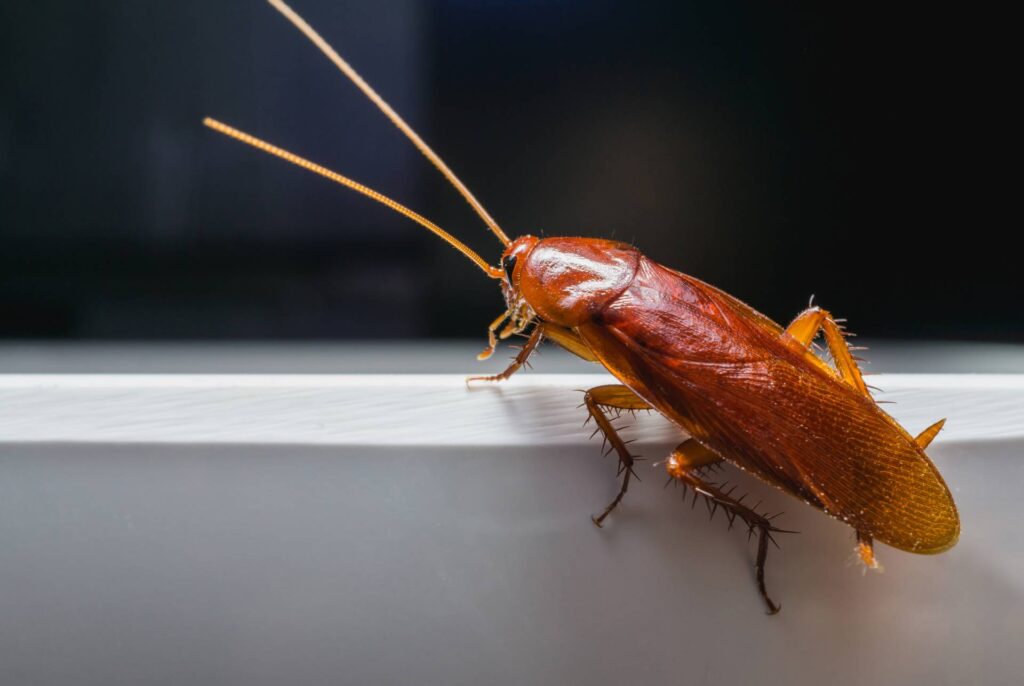
Many myths surround palmetto bugs. Despite their size, they are not poisonous and do not bite humans aggressively. They do not only infest dirty homes; even clean homes can become targets if food, moisture, or shelter is available. Additionally, while they have wings, they cannot sustain long flights and usually only glide short distances.
Understanding Their Real Impact
The main concern with palmetto bugs is contamination and allergic reactions, not direct harm. Urban legends about them being deadly are exaggerated. Awareness, proper prevention, and timely elimination are the most important measures for homeowners rather than fear-based reactions.
Tips for Maximizing Prevention and Control
- Regular Inspections – Check cracks, crevices, and dark corners in your home to detect early signs of palmetto bugs.
- Maintain Cleanliness – Keep kitchens, dining areas, and floors free from food crumbs, spills, and clutter.
- Control Moisture – Fix leaks, remove standing water, and ensure proper ventilation in bathrooms and basements.
- Use Natural Repellents – Apply boric acid, diatomaceous earth, or essential oils in areas where palmetto bugs hide.
- Seal Entry Points – Close gaps around doors, windows, vents, and pipes to prevent bugs from entering.
- Proper Waste Management – Keep trash bins covered and dispose of garbage regularly to reduce attraction.
- Professional Monitoring – For persistent infestations, hire pest control experts to apply targeted treatments and long-term solutions.
FAQs
1. Are palmetto bugs harmful to humans?
Palmetto bugs do not bite or sting, but they can spread bacteria that contaminate food and surfaces, posing potential health risks.
2. How fast do palmetto bugs reproduce?
A female palmetto bug can lay multiple egg cases per month, each containing numerous nymphs, leading to rapid population growth if left unchecked.
3. Can palmetto bugs fly inside homes?
Yes, they can glide short distances using their wings but mainly crawl. They are more active near lights at night than during the day.
4. What attracts palmetto bugs indoors?
Moisture, food crumbs, pet food, garbage, and cluttered areas attract palmetto bugs, particularly in warm and humid climates.
5. Are natural remedies effective for palmetto bug control?
Yes, options like boric acid, diatomaceous earth, and essential oils can reduce populations. Severe infestations may require professional intervention for long-term results.
Conclusion
Palmetto bugs are common household pests that thrive in warm, humid environments. While they do not bite or pose deadly threats, they carry bacteria, trigger allergies, and can damage property. Effective prevention involves cleanliness, sealing entry points, and reducing moisture. Small infestations can be managed using natural remedies, while professional pest control ensures long-term elimination. Knowledge and proactive measures are key to keeping homes palmetto bug-free.
Related Post