

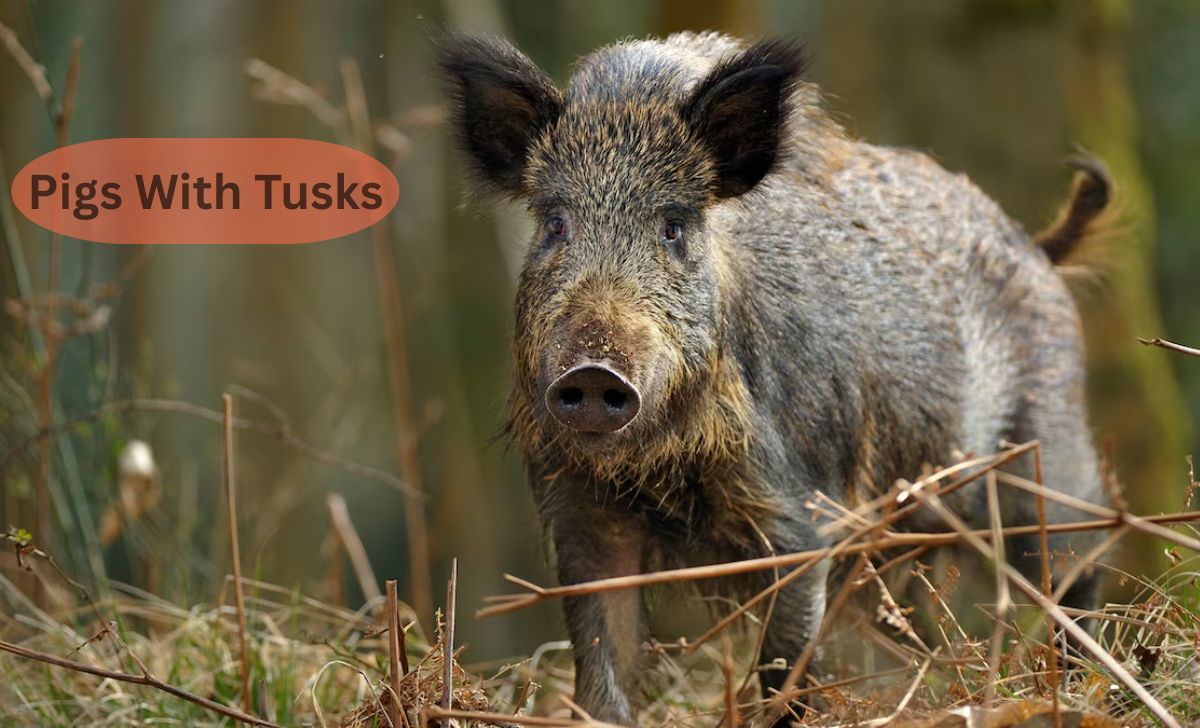
Pigs with tusks are fascinating wild animals known for their strength, sharp teeth, and survival skills. Unlike domestic pigs, these animals depend on their tusks for protection, food, and dominance.
Found across forests, grasslands, and wetlands, tusked pigs play an important role in nature. This article explores their features, behavior, habitats, risks, and conservation in a simple, human-friendly way.
Pigs with tusks are strong wild animals. Learn about their types, tusks, habitat, behavior, dangers, and conservation in this detailed guide.
What Are Pigs With Tusks?
Basic Definition and Meaning
Pigs with tusks are wild or feral pig species that develop long, outward-growing canine teeth. These tusks continue growing throughout their lives and become sharp with use. They are natural survival tools, not defects, and are commonly seen in wild boars, warthogs, and similar species.
How They Differ From Domestic Pigs
Domestic pigs usually have short or managed teeth and calm behavior. In contrast, tusked pigs are more muscular, aggressive, and independent. They rely on their tusks to dig, fight, and defend themselves, making them far more adapted to harsh natural environments.
Why Do Some Pigs Grow Tusks?
Natural Growth of Canine Teeth
Tusks are enlarged canine teeth that grow continuously when pigs live in the wild. Without trimming or controlled diets, these teeth grow long and sharp. Daily activities like digging and fighting naturally shape tusks into powerful tools used for survival.
Role of Genetics and Environment
Genetics determine tusk size and shape, but the environment strongly influences growth. Pigs living in forests or wild landscapes use tusks more frequently, which strengthens and sharpens them. A tougher environment often results in larger, stronger tusks.
Evolution of Tusks in Pig Species
Ancient Pig Ancestors
Ancient pig ancestors developed tusks millions of years ago to survive predators and compete for mates. Fossils show tusks were essential tools for digging and defense. Over time, pigs without strong tusks were less likely to survive in the wild.
Survival Advantages Over Time
Tusks provided clear survival benefits, allowing pigs to protect themselves and access food. Through natural selection, pigs with stronger tusks lived longer and reproduced more. This evolutionary advantage made tusks a permanent feature in many wild pig species.
Types of Pigs With Tusks
- Wild Boars: Found across Europe, Asia, and parts of Africa, wild boars are strong, aggressive pigs with sharp, curved tusks used for defense and digging.
- Warthogs: Native to Africa, warthogs have upward-curving tusks and facial pads. They use tusks to fight predators and dig for food in grasslands.
- Babirusas (Deer Pigs): Rare pigs from Indonesia, babirusas have unique tusks that grow upward through the snout, making them one of the most unusual pig species.
- Feral Hogs: These are domestic pigs that returned to the wild. Over time, they developed tusks, thick skin, and aggressive behavior.
- Bearded Pigs: Found in Southeast Asia, bearded pigs have noticeable facial hair and curved tusks, helping them forage and survive in dense forests.
Physical Characteristics of Tusked Pigs
Body Size and Strength
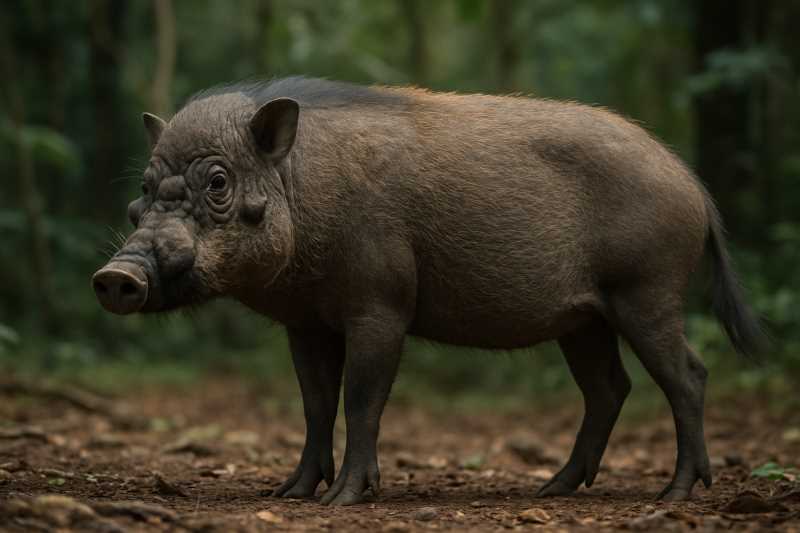
Tusked pigs have strong shoulders, thick necks, and solid legs built for speed and force. Their muscular bodies support heavy tusks and allow them to charge predators. This physical strength makes them one of the toughest animals in their habitats.
Shape and Length of Tusks
Tusks vary in length and shape depending on species and gender. Male pigs usually have longer, thicker tusks used in fighting. These tusks curve outward or upward and sharpen naturally through daily activities like digging and combat.
Skin and Hair Texture
Their skin is thick and tough, offering protection during fights. Most tusked pigs have coarse hair that helps shield them from weather and insects. Color patterns vary, allowing them to blend into forests, grasslands, or muddy environments.
How Tusks Help Pigs Survive
Protection From Predators
Tusks act as powerful weapons against predators. When threatened, pigs can charge with force, using tusks to injure or scare attackers. Even large predators hesitate before attacking a fully grown tusked pig.
Digging and Finding Food
Tusks help pigs dig deep into soil to find roots, bulbs, insects, and worms. This ability allows them to survive in seasons when food is scarce, making them highly adaptable to different environments.
Fighting and Dominance
During breeding seasons, male pigs fight using tusks to establish dominance. Stronger tusks increase mating chances and social rank. These battles are often intense but essential for maintaining natural population balance.
Natural Habitats of Tusked Pigs
Forests and Jungles
Forests provide food, shade, and protection. Many tusked pigs prefer dense vegetation where they can hide easily. Fallen fruits, roots, and insects make forests ideal environments for survival and breeding.
Grasslands and Savannahs
Open grasslands are home to species like warthogs. In these areas, pigs rely on speed and tusks for defense. Burrows and open visibility help them detect predators quickly.
Swamps and Wetlands
Wetlands offer mud and water that help regulate body temperature. Mud baths protect skin from parasites and sunburn. These areas also provide rich food sources like plants and small aquatic animals.
Behavior and Social Life

- Group Living Patterns: Female pigs and their young usually live together in small groups called sounders, which provide safety and help protect piglets from predators.
- Solitary Male Behavior: Adult male pigs often live alone and only join groups during the breeding season, reducing competition and conflict within the population.
- Communication Methods: Pigs communicate using grunts, squeals, and body language to express warnings, dominance, or comfort within the group.
- Territorial and Defensive Nature: Tusked pigs can be highly territorial and will defend their space aggressively, especially when threatened or protecting their young.
- Daily Activity Habits: Most tusked pigs are active during early mornings and evenings, spending their time foraging, resting, and bathing in mud.
Diet and Feeding Patterns
Plants, Roots, and Fruits
Their diet mainly consists of roots, fruits, leaves, and seeds. Tusks help them dig underground food. This plant-based diet makes them important for soil mixing and seed spread.
Insects and Small Animals
Tusked pigs are omnivores and eat insects, worms, reptiles, and small mammals. This flexible diet allows them to survive in changing environments and control insect populations naturally.
Seasonal Changes in Diet
Food availability changes with seasons. During dry periods, pigs dig deeper for roots. In fruit seasons, they rely more on fallen fruits, showing strong adaptability.
Are Pigs With Tusks Dangerous?
Aggressive Behavior in the Wild
Pigs with tusks can become aggressive when threatened or protecting their young. Their speed and strength make them dangerous, especially if surprised at close range.
Attacks on Humans and Animals
Although rare, attacks on humans do occur, mostly involving wild boars or feral hogs. These incidents usually happen when pigs feel cornered or provoked.
How to Stay Safe Around Them
Avoid approaching tusked pigs. Keep distance, do not run suddenly, and slowly back away. Staying calm reduces the chance of triggering an aggressive response.
Conservation and Protection Efforts
- Wildlife Protection Laws: Many countries enforce strict laws to control hunting and protect pigs with tusks from illegal poaching and overexploitation.
- Protected Natural Reserves: Wildlife sanctuaries and national parks provide safe habitats where tusked pig species can live and reproduce naturally.
- Habitat Restoration Programs: Reforestation and land restoration projects help rebuild natural environments damaged by deforestation and human activity.
- Community Awareness and Education: Educating local communities reduces human–wildlife conflict and encourages coexistence with tusked pig populations.
- Research and Monitoring: Scientists monitor population trends and behavior to create effective conservation strategies and long-term protection plans.
FAQ
1: What are pigs with tusks?
Pigs with tusks are wild or feral pig species that develop long, sharp canine teeth used for defense, digging, fighting, and survival in natural habitats.
2: Why do pigs have tusks?
Pigs grow tusks naturally as enlarged canine teeth that help them dig for food, defend against predators, and compete with rivals during mating seasons.
3: Are pigs with tusks dangerous to humans?
Yes, pigs with tusks can be dangerous if threatened, cornered, or protecting their young, but they usually avoid humans when left undisturbed.
4: Which pig species have the largest tusks?
Babirusas and wild boars are known for having some of the largest and most distinctive tusks among all pig species.
5: How can pigs with tusks be protected?
They can be protected through wildlife laws, habitat conservation, controlled hunting, community education, and protected natural reserves.
Conclusion
Pigs with tusks are powerful, intelligent animals that play an important role in natural ecosystems. Their tusks help them survive, defend themselves, and find food in the wild. Understanding their behavior, habitat, and conservation needs is essential to reduce human conflict and protect these unique species for future generations.
Must Read