
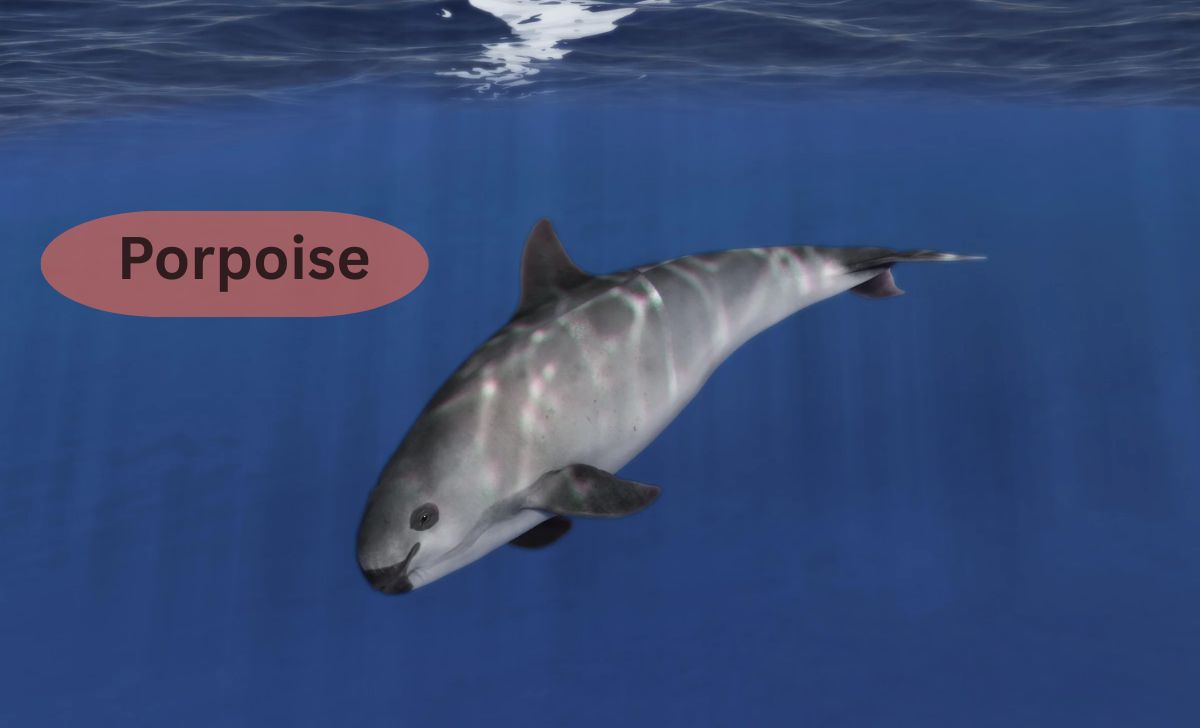
Porpoises are among the most fascinating yet misunderstood marine mammals in the world. Small, intelligent, and incredibly swift, they roam coastlines and cold waters where they quietly maintain balance in ocean ecosystems.
Despite their resemblance to dolphins, porpoises have distinct traits, behaviors, and challenges that make them truly unique. This guide explores everything you need to know from their habitat and diet to threats and conservation efforts helping you discover the hidden brilliance of porpoises.
Porpoise facts species habitat behavior, diet, threats, and conservation efforts explained in a complete guide to help you understand these intelligent marine mammals.
Understanding the Porpoise – An Overview
Porpoises belong to the family Phocoenidae, comprising six known species. Unlike dolphins, they have shorter snouts, flatter teeth, and more reserved behavior.
Porpoises prefer shallow, cooler waters where they feed, travel, and raise their young. Although shy and less likely to interact with humans, they are highly intelligent and play a vital ecological role.
Key Physical Characteristics of Porpoises
Size, Shape, and Body Structure
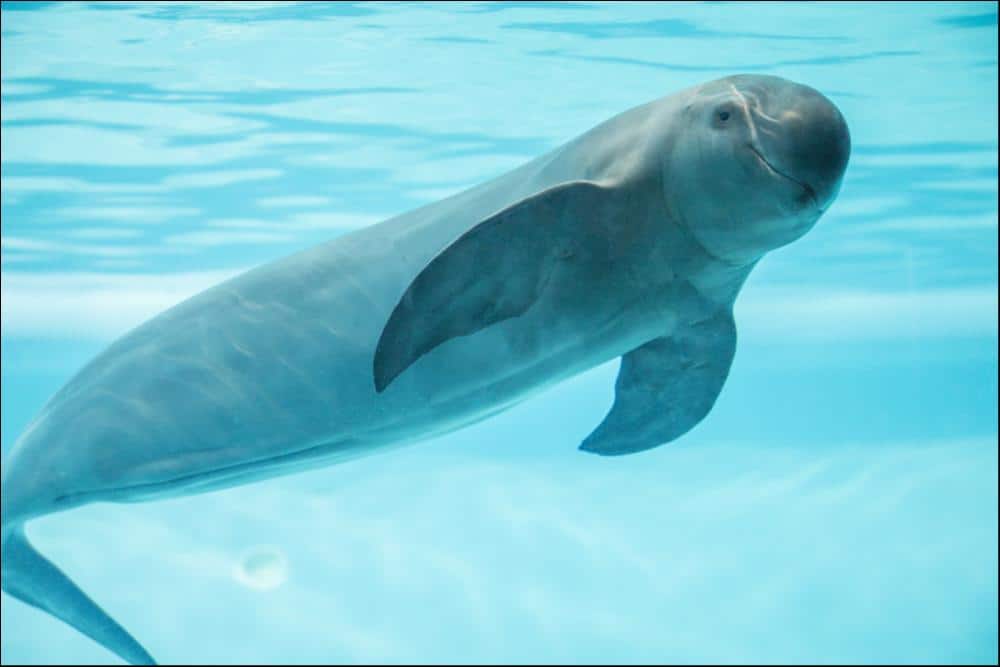
Porpoises are compact marine mammals usually ranging between 4 to 7 feet in length. Their body is robust, allowing them to move swiftly through coastal areas. Unlike many ocean animals built for deep diving, porpoises thrive closer to the surface and near shorelines where food is abundant.
Unique Facial Features and Teeth
Porpoises have a rounded head without a pronounced beak, giving them a softer appearance than dolphins. Their teeth are spade-shaped instead of conical, which helps them grip slippery fish. This subtle but important difference is a key identifier for marine biologists.
Natural Habitat and Global Distribution
Porpoises inhabit temperate and sub-Arctic waters, living mainly in the Northern Hemisphere. They prefer coastal regions, bays, estuaries, and river mouths where waters are rich in fish and protected from large predators.
Coastal Waters and Temperature Preferences
Most porpoises thrive in cooler waters, avoiding the deep tropics. They stay close to shorelines, underwater cliffs, and nutrient-rich zones where prey is abundant.
Species-Specific Regions
Different porpoise species dominate specific areas for example, the harbor porpoise is common in the North Atlantic, while the vaquita lives only in Mexico’s Gulf of California.
Behavior and Social Patterns of Porpoises
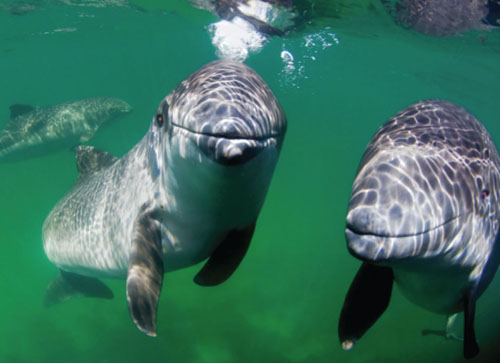
Porpoises are shy compared to dolphins. They avoid boats and human activity, making them harder to observe in the wild. Although quiet, they share deep social bonds and display remarkable intelligence.
Communication Through Echolocation
Porpoises navigate and hunt using high-frequency echolocation clicks. These signals help them detect obstacles, locate fish, and communicate with nearby pod members.
Group Behavior and Movement
Most porpoises travel in small pods of 2 to 10 individuals. These groups protect them from predators and help coordinate movement while hunting.
Diet and Feeding Habits of Porpoises
Porpoises primarily feed on fish, squid, crustaceans, and small schooling species. Their fast metabolism requires them to eat frequently throughout the day. They swallow prey whole and rely heavily on echolocation to track food in murky or dark waters.
Major Species of Porpoises Around the World
Harbor Porpoise
One of the most common species, found along coasts of the North Atlantic and North Pacific. Harbor porpoises are small, shy, and often seen traveling alone or in small groups.
Dall’s Porpoise
Known for their incredible speed, sometimes reaching up to 55 km/h. Dall’s porpoises have distinct black-and-white markings and are commonly mistaken for small orcas.
Vaquita (Most Endangered)
The rarest marine mammal on Earth, with fewer than 10 individuals estimated to remain. The vaquita faces extreme threat from illegal fishing nets in the Gulf of California.
Threats and Challenges Facing Porpoises
Habitat Loss
Habitat loss is one of the biggest challenges porpoises face due to coastal development, pollution, and reduced fish populations. As human activity expands, their natural feeding and breeding zones shrink rapidly.
This forces porpoises into riskier waters where survival becomes harder. Without immediate conservation efforts, many species could decline further.
Bycatch in Fishing Nets
Thousands of porpoises die each year after becoming trapped in gillnets and trawls. This is the leading cause of decline in many species.
Water Pollution & Noise Pollution
Chemical pollution harms their immune system, while underwater noise disrupts echolocation, making navigation and hunting difficult.
Conservation Efforts to Protect Porpoises
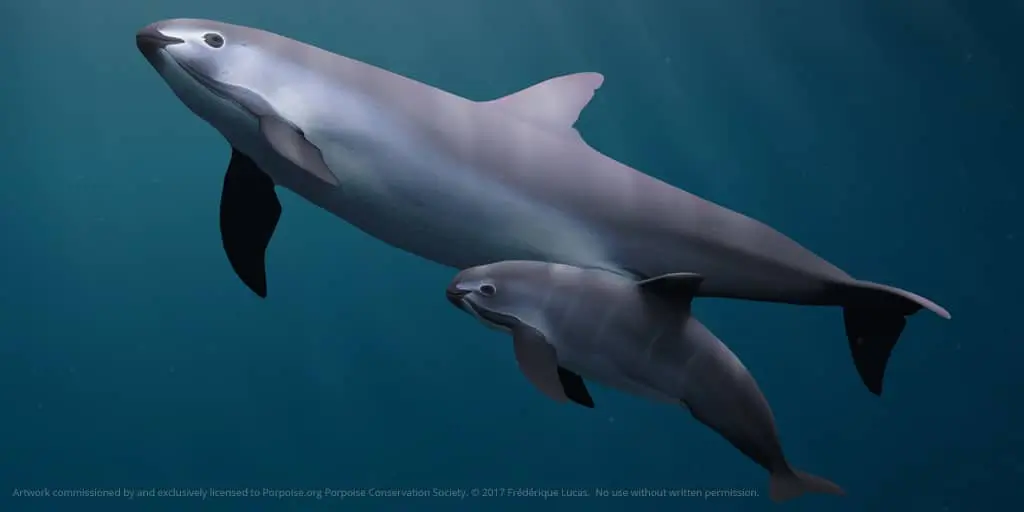
Global organizations work to establish protected zones, regulate fishing nets, reduce noise pollution, and enforce strict laws. Some regions have adopted safer fishing gear, while others focus on rehabilitating injured porpoises and monitoring populations through acoustic tracking.
Porpoises vs. Dolphins – Key Differences
- Body Shape: Porpoises have shorter, more compact bodies, while dolphins are longer, sleeker, and more streamlined.
- Teeth Structure: Porpoises have spade-shaped teeth, whereas dolphins have cone-shaped teeth, making this one of the most reliable differences.
- Facial Features: Dolphins usually have a long, pronounced beak, while porpoises have a shorter, rounded face with no visible beak.
- Dorsal Fin Shape: Porpoises have a triangular dorsal fin, while dolphins have a curved or hooked dorsal fin.
- Vocalization & Behavior: Dolphins are more social, vocal, and acrobatic, whereas porpoises are quieter, shy, and avoid human interaction.
Why Porpoises Matter to Ocean Ecosystems
Porpoises help maintain healthy fish populations and serve as indicators of ocean health. A decline in porpoise numbers often signals deeper environmental issues such as pollution, overfishing, or habitat destruction.
How Humans Can Help Protect Porpoises
Individuals can support conservation by choosing sustainable seafood, avoiding single-use plastics, supporting marine protection organizations, reducing noise pollution, and spreading awareness about endangered species like the vaquita.
FAQ
1: Are porpoises and dolphins the same?
No, porpoises and dolphins are different species with distinct body shapes, teeth structures, and vocalization styles, even though both belong to the cetacean family.
2: Where do porpoises usually live?
Porpoises are commonly found in cold coastal waters, including the North Pacific, North Atlantic, and Arctic regions, usually staying near shorelines rather than deep ocean areas.
3: What do porpoises eat?
Porpoises mainly eat small fish, squid, and crustaceans. Their diet depends on their habitat, and they hunt using highly developed echolocation abilities.
4: Are porpoises endangered?
Some species like the vaquita are critically endangered due to habitat loss, fishing nets, and pollution. Conservation efforts are ongoing to protect remaining populations.
5: Do porpoises interact with humans?
Porpoises are shy and avoid boats and humans. Unlike dolphins, they rarely approach vessels and prefer calm, quiet environments with minimal disturbance.
Conclusion
Porpoises are intelligent, shy, and vital to ocean ecosystems, yet many species face severe threats from human activity. Understanding their behavior, habitat, and challenges is the first step toward protection. Through stronger conservation efforts and global awareness, we can ensure these remarkable marine mammals survive for generations to come.
Must Read