

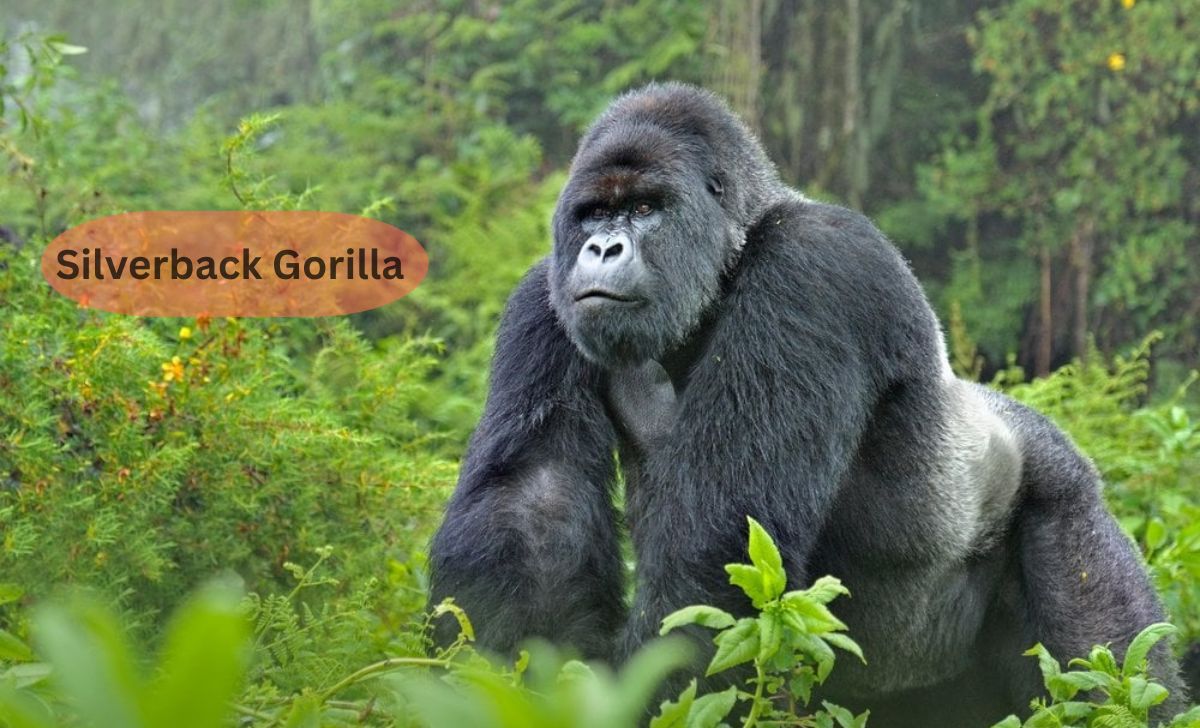
Silverback gorillas are among the most powerful yet gentle creatures on Earth, often admired for their size, strength, intelligence, and deep emotional bonds. These remarkable primates serve as the leaders of their groups, guiding and protecting their families through the dense forests of Africa.
Despite their intimidating appearance, silverbacks display exceptional patience and nurturing behavior. Understanding their world helps us appreciate why they are so important to our ecosystem and why their survival is now more urgent than ever. This article explores their lifestyle, behavior, challenges, and global conservation efforts.
Silverback gorilla facts, behavior, strength, habitat, and conservation insights explained in a simple, expert way. Learn why these gentle giants need urgent protection.
Understanding the Role of a Silverback
Leadership and Social Responsibility

A silverback’s primary role is to lead, protect, and manage the daily activities of his group, known as a “troop.” He decides when the group rests, feeds, or travels. His presence ensures harmony, safety, and structure within the troop. Silverbacks also protect their families from predators and rival males, acting as both guardians and decision-makers.
Strength and Dominance Displays
Although silverbacks are naturally calm, they showcase powerful displays when necessary. Chest beating, branch throwing, and loud vocalizations help assert dominance and deter threats without violence. These displays communicate strength, maturity, and readiness to defend their troops.
Physical Characteristics of Silverback Gorillas
Size, Weight, and Build
Silverbacks are the largest primates on the planet, often weighing between 350 and 450 pounds and standing up to 6 feet tall when upright. Their muscular build, broad chest, and long arms highlight their incredible physical power. Despite their size, they move with surprising agility and grace through the dense forest.
The Meaning of the Silver Hair
The term “silverback” refers to the distinctive silver or gray saddle of hair that males develop around age 12. This marking signifies maturity, strength, and leadership. It is not a separate species but an age-based transformation in male gorillas.
Habitat and Daily Lifestyle
Preferred Forest Regions
Silverback gorillas inhabit the lush mountain forests and lowland tropical rainforests of central Africa, particularly Rwanda, Uganda, and the Democratic Republic of Congo. These regions offer dense vegetation, shade, and abundant food sources essential for survival.
Feeding Habits and Diet
Despite their immense size, silverbacks are strict vegetarians. They consume leaves, stems, bamboo shoots, fruits, and occasionally ants. A single silverback may eat up to 60 pounds of vegetation daily, using their powerful jaws to chew tough plant fibers.
Social Structure and Family Dynamics

Group Communication and Bonding
Gorillas use vocal sounds, facial expressions, and gestures to communicate. Grunts, hoots, and chest beats convey warnings, reassurance, or coordination. Grooming sessions help strengthen family bonds and reduce stress.
Parenting and Infant Care
Infants spend their early years clinging to their mothers, but silverbacks often step in as protectors and playful caretakers. They ensure the young ones are safe, allowing them to grow confidently within the troop.
Behavioral Traits of Silverback Gorillas
Calm Nature and Gentle Behavior
Despite their powerful bodies, silverbacks are peaceful animals known for their patience and gentle interactions. They rarely show aggression unless a threat is present. Tourists and researchers often observe them relaxing, playing, or quietly feeding with their families.
Power Displays and Warning Signs
When danger appears, behavioral displays like chest beating, roaring, or short charges help communicate dominance. These actions usually prevent conflicts from escalating, showing a silverback’s ability to balance force with restraint.
Threats Facing Silverback Gorillas Today
Habitat Loss
Habitat loss is one of the biggest threats to silverback gorillas, caused mainly by deforestation, agriculture expansion, and human settlement. As forests shrink, gorillas lose access to food, shelter, and safe movement corridors.
This disruption weakens family groups and increases human–wildlife conflict. Without urgent conservation action, their natural environment will continue to disappear.
Poaching and Human Conflicts
Poaching remains one of the biggest threats, despite international laws. Gorillas are often caught in traps meant for other animals or targeted for illegal wildlife trade. Human-gorilla conflicts also rise when their habitats overlap with villages.
Conservation Efforts and Global Protection
Organizations Working for Gorillas
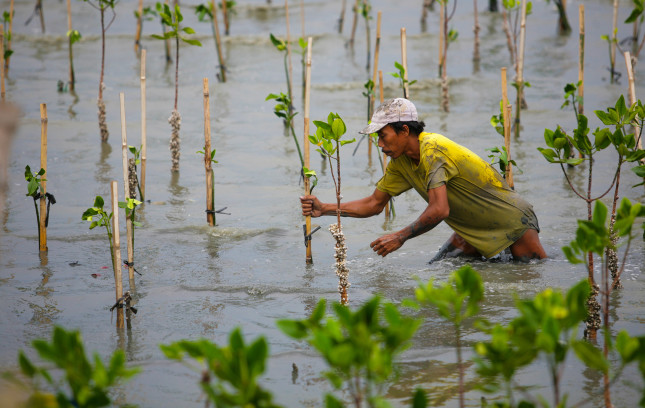
Several conservation groups including the Dian Fossey Gorilla Fund, WWF, and local African wildlife authorities work tirelessly to monitor gorilla families, stop poachers, and protect habitats.
How the Public Can Help
People can support conservation through donations, adopting a gorilla symbolically, spreading awareness, or choosing responsible eco-tourism options that support local communities.
Success Stories and Positive Conservation Outcomes
Recent conservation efforts have led to a slow but promising increase in mountain gorilla populations. Protected national parks, community-based tourism, and strong anti-poaching laws have created safer environments for gorillas to thrive.
Researchers have documented healthier family groups, longer lifespans, and successful births proof that conservation efforts truly make a difference. These success stories inspire continued action and highlight the impact humans can have when they choose protection over destruction.
FAQ
1. Are silverback gorillas dangerous?
Silverbacks are generally peaceful and avoid conflict. They only show aggression when protecting their troops, using displays rather than actual violence.
2. Why do male gorillas develop silver hair?
The silver hair appears around age 12, signaling maturity, leadership, and dominance. It marks the transition from a blackback to an adult silverback.
3. What do silverback gorillas eat?
They are strict vegetarians, feeding on leaves, stems, bamboo, fruits, and shoots. A large male can eat up to 60 pounds of vegetation daily.
4. Where do silverback gorillas live?
They inhabit the rainforests and mountains of central Africa—mainly Rwanda, Uganda, and the Democratic Republic of Congo.
5. Are silverback gorillas endangered?
Yes, they are critically endangered due to poaching, habitat loss, and disease. Conservation efforts are helping, but urgent protection is still needed.
Conclusion
Silverback gorillas are powerful yet gentle leaders who play a vital role in their forest ecosystems. Their intelligence, social bonds, and protective nature make them one of the most fascinating species on Earth. But their survival depends on global awareness and strong conservation efforts. By understanding their world and supporting protection programs, we can ensure these majestic giants continue to roam the forests for generations to come.
Must Read