

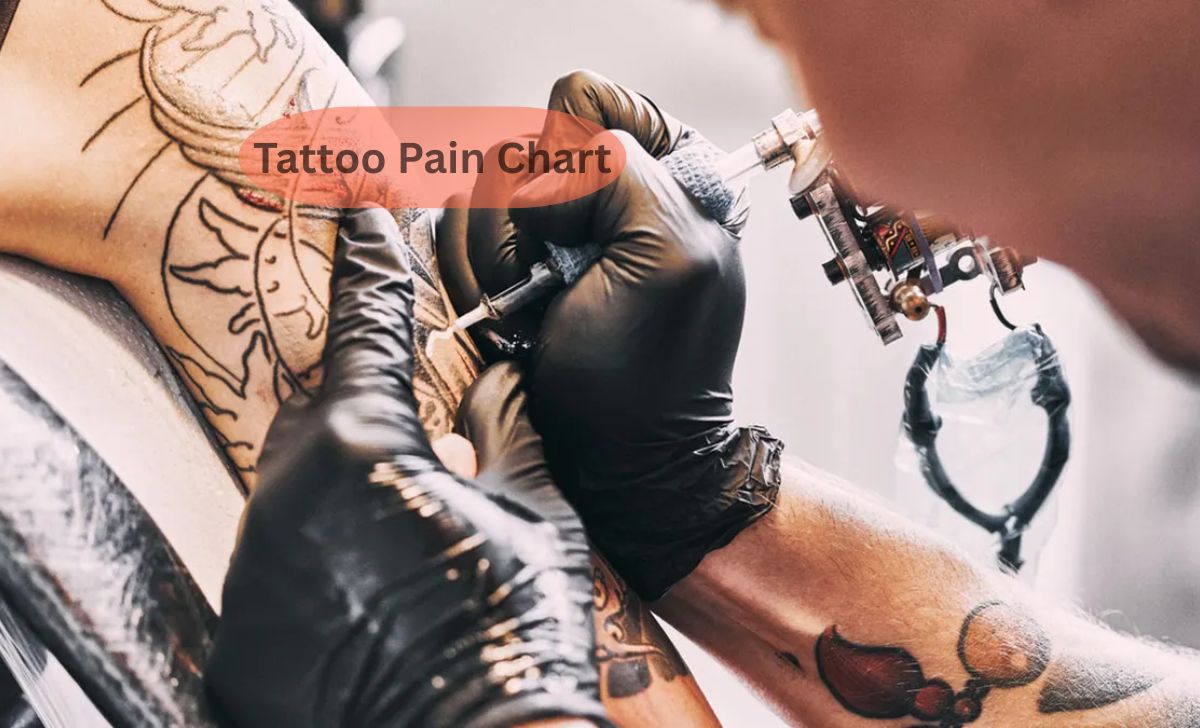
Getting a tattoo can be an exciting form of self-expression, but one common concern many people face is the pain involved. Understanding how different areas of the body react to tattooing is essential for both first-timers and experienced enthusiasts. This is where a tattoo pain chart becomes an invaluable guide, helping individuals anticipate discomfort and plan their sessions accordingly.
From sensitive spots like ribs and inner arms to less painful areas such as the outer shoulders, knowing what to expect can make the experience more manageable. In this article, we’ll explore pain levels across body parts, effective tips to minimize discomfort, and expert advice to ensure a smoother tattooing journey.
Tattoo pain charts help you understand which body areas hurt most manage discomfort and plan your tattoo sessions effectively for a smooth experience.
What is a Tattoo Pain Chart?
How Pain Charts Help Before Getting Inked
A tattoo pain chart provides a visual guide to expected pain levels across different parts of the body. It allows tattoo enthusiasts to anticipate discomfort, mentally prepare, and choose suitable areas for their first tattoos. By knowing which spots are more sensitive, users can plan their sessions with confidence and reduce anxiety about needle pain.
Why Pain Perception Varies from Person to Person
Pain is subjective and varies depending on individual tolerance, mental state, and health. Factors like stress, fatigue, or prior experiences influence how intensely someone feels the tattoo needle. Understanding this variability helps users interpret a pain chart more effectively, as the experience may differ even for the same body area between individuals.
Factors Affecting Tattoo Pain
Body Placement and Sensitivity
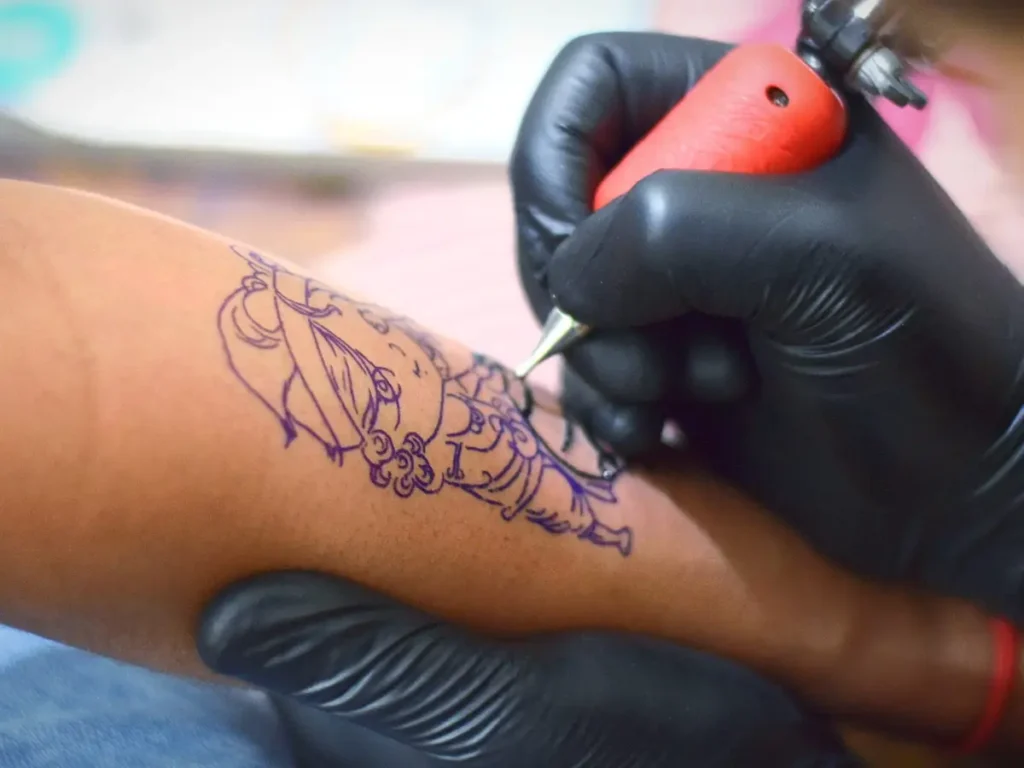
The location of a tattoo is one of the biggest determinants of pain. Bony areas like ribs, spine, and ankles are more painful because they have minimal cushioning and dense nerve endings. Fleshier areas like thighs and upper arms are easier to tattoo due to thicker skin and more muscle, which helps absorb needle sensations.
Size, Detail, and Duration of the Tattoo
Longer sessions and larger, more intricate designs increase discomfort. Fine details or shading require repeated needle passes, which can intensify irritation. Splitting big tattoos into multiple sessions is a common strategy to reduce pain and maintain comfort throughout the process.
Individual Pain Tolerance and Health Conditions
A person’s overall health, sleep quality, and stress levels can impact pain perception. People with low tolerance may find even minor tattoos uncomfortable, while others may experience less pain in sensitive areas. Staying well-rested, hydrated, and mentally prepared is essential for enduring longer sessions.
Most and Least Painful Tattoo Areas
Top 5 Most Painful Tattoo Spots
- Ribs: Thin skin over bones with minimal fat makes rib tattoos extremely sensitive and painful.
- Spine: Tattooing along the spine can be very painful due to exposed bone and many nerve endings.
- Armpits: The skin here is delicate and sensitive, causing intense discomfort during tattooing.
- Elbows: Skin over the elbows is tough but extremely close to bone, making tattoos here highly painful.
- Feet and Ankles: Minimal padding and numerous nerve endings in these areas make tattoos extremely uncomfortable.
Top 5 Least Painful Tattoo Spots
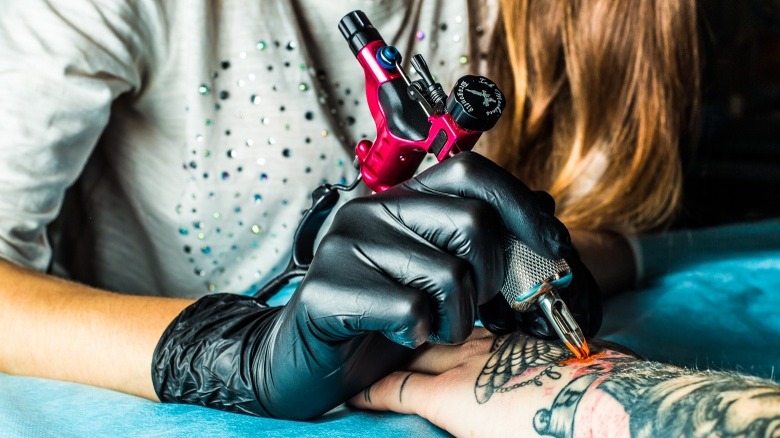
- Upper Arm: The outer upper arm has more muscle and fat, making it one of the least sensitive areas for tattoos.
- Thighs: The fleshy part of the thigh provides good cushioning, reducing discomfort during tattooing.
- Calves: Calves have thicker skin and muscle padding, making tattoos here relatively less painful.
- Shoulders: The shoulder area is muscular and has fewer nerve endings, which helps minimize pain.
- Buttocks: The soft and padded skin of the buttocks makes this area one of the most comfortable places to get tattooed.
How to Use a Tattoo Pain Chart Effectively
Planning Your Tattoo Session
Using a pain chart helps in scheduling tattoos strategically. Starting with low-pain areas allows beginners to gain experience and confidence. Gradually progressing to more sensitive areas ensures the session is manageable, reducing stress and enhancing the overall tattooing experience.
Preparing Mentally and Physically for Pain
Mental preparation is key to minimizing discomfort. Techniques like meditation, deep breathing, and visualization can calm nerves before a tattoo session. Maintaining good physical health, proper hydration, and adequate sleep also improves tolerance, helping the body cope better with needle pain.
Tips to Minimize Tattoo Pain
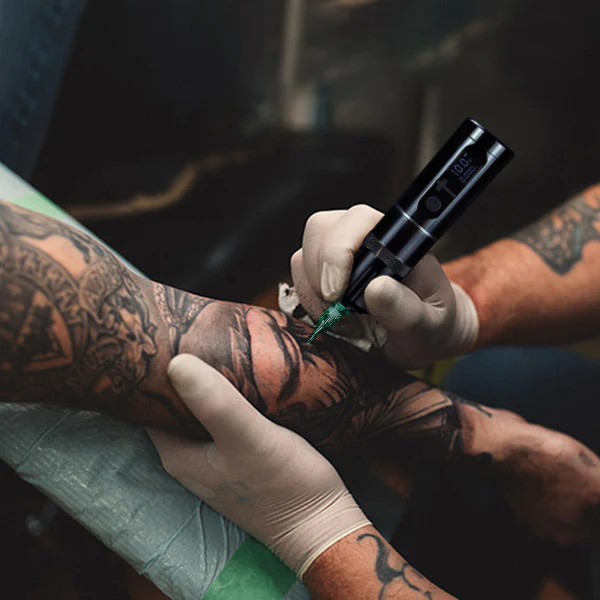
- Choose the Right Location: Start with less sensitive areas like outer arms, thighs, or calves to reduce discomfort, especially for your first tattoo.
- Stay Hydrated and Rested: Proper hydration and adequate sleep improve pain tolerance and help your body handle longer sessions.
- Use Distraction Techniques: Listening to music, talking, or deep breathing can help divert attention and reduce perceived pain during the tattoo.
- Take Breaks During Sessions: Short pauses allow your body to relax, reducing fatigue and discomfort, especially during long or detailed tattoos.
- Follow Proper Aftercare: Moisturize and care for your tattooed area to prevent irritation, swelling, and prolonged soreness after the session.
FAQ
1 : What is a tattoo pain chart?
A tattoo pain chart visually represents the level of discomfort experienced on different body parts during tattooing, helping individuals prepare for their sessions and choose suitable tattoo locations.
2 : Which areas are the most painful for tattoos?
The most painful areas for tattoos usually include ribs, spine, feet, and inner arms due to thin skin, nerve endings, and proximity to bones, according to tattoo pain charts.
3 : Can pain levels vary between individuals?
Yes, pain perception differs from person to person based on factors like skin sensitivity, stress levels, and personal pain tolerance, making tattoo experiences unique.
4 : How can I use a tattoo pain chart before getting inked?
A tattoo pain chart guides placement decisions, helps plan session duration, and prepares you mentally for areas with higher pain intensity, reducing surprises during the tattooing process.
5 : Does tattoo size or detail affect pain levels?
Yes, larger or highly detailed tattoos take longer to complete, increasing discomfort, while simpler or smaller designs usually result in shorter sessions with less overall pain.
Conclusion
Understanding a tattoo pain chart empowers you to choose the right tattoo locations, prepare mentally and physically, and enjoy a smoother tattooing experience. Planning, proper skin care, and using pain management techniques allow both beginners and seasoned tattoo enthusiasts to endure sessions comfortably. Approach your next tattoo informed and prepared for the best results.
Related Post